
Slotlounge Bonus Ohne Einzahlung: Die besten Treueprogramme im Vergleich

Die Welt des Online-Glücksspiels bietet unzählige Möglichkeiten für Spieler, die das Casino-Erlebnis zu Hause genießen möchten. Erfahrungsberichte zu Slotlounge Bonus ohne Einzahlung liefern eine erste Orientierung im deutschen Markt. VIP-Programme und Treuepunkte sind zwei zentrale Elemente, die viele Casinos anbieten, um ihre Stammkunden zu belohnen. Doch lohnt sich der Aufwand wirklich? In diesem Artikel untersuchen wir, wie diese Programme funktionieren, welche Vorteile sie bieten und wie Sie als Spieler das Maximum herausholen können. Wir werfen einen Blick auf die verschiedenen Arten von Belohnungen, die Kriterien für den Aufstieg in höhere VIP-Stufen und ob sich der Aufwand für durchschnittliche Spieler tatsächlich lohnt. Besonders wenn Sie nach den besten Slotlounge Casino DE suchen, sind diese Informationen unerlässlich.
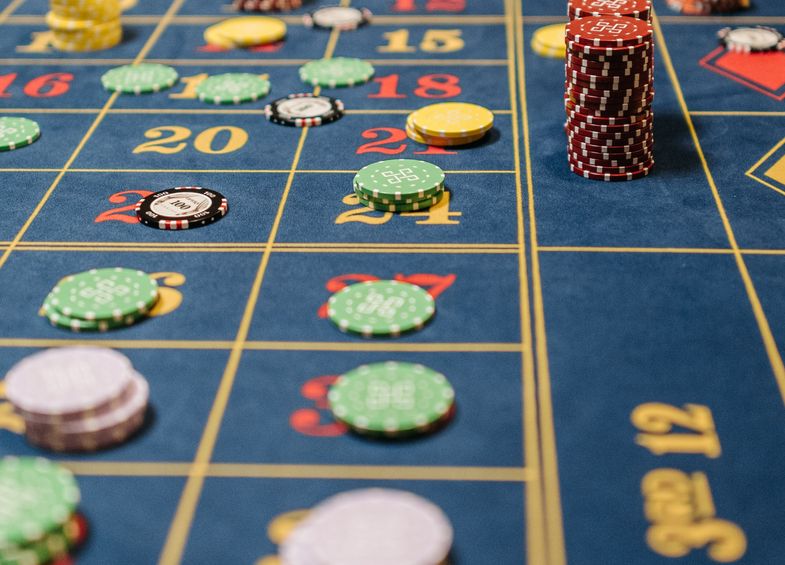
Online Casino: Spielautomaten und Live-Spiele im Überblick

Viele Casinos locken mit attraktiven Boni und Treueprogrammen, um neue Spieler anzuziehen und bestehende Kunden zu halten. Doch nicht alle Programme sind gleich wertvoll. Während einige Casinos nur minimale Vorteile bieten, können andere Spieler mit exklusiven Boni, persönlichen Account-Managern und Einladungen zu besonderen Events verwöhnen. Die Frage ist: Wie erkennt man die besten Angebote und wie kann man sicherstellen, dass man als Spieler wirklich profitiert? Die Antwort liegt im Verständnis der Kriterien, die diese Programme bestimmen, und in der richtigen Strategie, um seine Spieltätigkeit zu optimieren.

Die Anzahl der Anbieter im Online-Glücksspielmarkt explodiert, was eine Vielfalt an Möglichkeiten für Spieler bedeutet. Doch mit dieser Vielfalt kommt auch die Notwendigkeit, sorgfältig auszuwählen. Nachfolgend finden Sie eine detaillierte Übersicht der wichtigsten Aspekte von VIP-Programmen und Treuepunkten, um Ihnen bei der Entscheidung zu helfen. Wir beleuchten die verschiedenen Arten von Belohnungen, die Kriterien für den Aufstieg in höhere VIP-Stufen und wie Sie das meiste aus Ihrem Spielerlebnis herausholen können, ohne dabei das Budget zu sprengen.

Was sind VIP-Programme und Treuepunkte?

Grundkonzepte erklärt

VIP-Programme sind spezielle, exklusive Angebote für treue Spieler, die regelmäßig in Online-Casinos spielen. Diese Programme sind in der Regel in verschiedene Stufen unterteilt, die je nach Einsatzhäufigkeit und -höhe erreicht werden können. Jede Stufe bringt eigene Vorteile mit sich, von verbesserten Bonusangeboten bis hin zu persönlichem Support. Treuepunkte oder Treuemeilen hingegen sammeln Spieler mit jedem Einsatz, unabhängig vom Spielgewinn. Diese Punkte können später gegen Boni, Freispiele oder andere Belohnungen eingelöst werden.

Die Funktionsweise dieser Programme ist meist einfach: Je mehr Sie spielen, desto höher steigt Ihr Status im VIP-System. Einige Casinos bieten automatische Status-Upgrades, während andere eine manuelle Anforderung erfordern. Die gesammelten Treuepunkte verfallen in der Regel nicht und können über einen längeren Zeit angesammelt werden. Besonders bei den besten Anbietern finden Spieler oft Kombinationen aus beiden Systemen, die sowohl sofortige als auch langfristige Vorteile bieten.

Vorteile für treue Spieler

Die Vorteile von VIP-Programmen und Treuepunkten sind vielfältig. Zu den häufigsten gehören höhere Bonusprozente, exklusive Freispiele, höhere Auszahlungslimits, persönliche Kundenbetreuer, Gebührenfreie Auszahlungen und Einladungen zu exklusiven Events oder Turnieren. Manchmal erhalten VIP-Spieler auch Zugang zu neuen Spielen bevor diese für alle Spieler verfügbar sind. Diese Privilegien können das Spielerlebnis erheblich verbessern und die Gewinnchancen erhöhen.

Viele Spieler unterschätzen den tatsächlichen Wert dieser Vorteile. Ein persönlicher Account-Manager kann beispielsweise bei Problemen oder Fragen sofort helfen, was viel Zeit und Nerven spart. Höhere Auszahlungslimits ermöglichen es, größere Gewinne ohne Verzögerungen zu erhalten, während exklusive Turniere mit hohen Preispools zusätzliche Gewinnmöglichkeiten bieten. Für regelmäßige Spieler summieren sich diese Vorteile über die Zeit zu erheblichen Vorteilen, die über die reine Bonusstruktur hinausgehen.

Wie funktionieren VIP-Stufen und Aufstiegsbedingungen?

Die meisten Online-Casinos verwenden ein mehrstufiges VIP-System, das anhand bestimmter Kriterien wie Einsatzvolumen, Spielfrequenz und Spielloyalität bewertet wird. Die unteren Stufen sind in der Regel automatisch erreichbar, während höhere Stufen oft eine manuelle Aktivierung oder eine Einladung des Casinos erfordern. Die Kriterien für den Aufstieg können von Casino zu Casino erheblich variieren, wobei einige Anbieter wöchentliche oder monatliche Mindesteinsätze vorschreiben, während andere eher die Gesamteinsätze über einen längeren Zeitraum betrachten.

Bei der Bewertung von VIP-Programmen ist es wichtig, die genauen Bedingungen sorgfältig zu prüfen. Einige Casinos berechnen Treuepunkte nur auf bestimmte Spiele oder setzen unterschiedliche Gewichtungsfaktoren an. Spielautomaten tragen beispielsweise oft 100% zur Punktevergabe bei, während Spiele wie Roulette oder Blackjack nur 10-20% beitragen. Diese Unterschiede können erhebliche Auswirkungen darauf haben, wie schnell Sie höhere Stufen erreichen und welche Belohnungen Sie tatsächlich erwarten können.

Typische Stufenstrukturen

Viele Casinos verwenden ähnliche Stufennamen, obwohl die genauen Kriterien variieren können. Typischerweise beginnen Spieler als “Bronze” oder “Silber” mit grundlegenden Vorteilen. Mit steigendem Einsatz und Loyalität steigt der Status zu “Gold”, “Platin”, “Diamant” und schließlich zur exklusiven “Schwarzen Karte” oder “VIP Elite”. Jede Stufe bringt in der Regel verbesserte Konditionen wie höhere Bonusprozente, mehr Treuepunkte pro Einsatz und bessere Support-Optionen.

Die exakten Anforderungen für jede Stufe sind entscheidend, um die Machbarkeit des Aufstiegs einzuschätzen. Während einige Anbieter bereits bei monatlichen Einsätzen von 1.000-2.000 Euro Gold-Status gewähren, verlangen andere für Platin-Status monatliche Einsätze von 5.000 Euro oder mehr. Es ist wichtig zu verstehen, dass diese Zahlen nur Richtwerte sind und stark nach Casino variieren. Einige Casinos veröffentlichen ihre Kriterien transparent, während andere dies tun, um keine unrealistischen Erwartungen zu wecken.

Die besten Treueprogramme im Vergleich

Nicht alle Treueprogramme sind gleich gut. Während einige Casinos nur minimale Vorteile bieten, überzeugen andere mit herausragenden Belohnungen und exklusiven Services. Bei der Auswahl eines Casinos sollte nicht nur das Spielangebot, sondern auch die Qualität des Treueprogramms berücksichtigt werden. Ein gutes Treueprogramm erkennt man an klaren, transparenten Kriterien, sofortigen Verbesserungen nach dem Erreichen einer Stufe und einem echten Mehrwert für den Spieler.

Casino Merkmal Vorteile Nachteile
Bonusstruktur Höhere Einzahlungsboni, exklusive Freispiele Höhere Umsatzanforderungen, begrenzte Gültigkeit
Treuepunkte Kumulierbar, flexibel einlösbar Nur auf bestimmte Spiele anwendbar, geringe Wertigkeit
Personalisiertes Angebot Individuelle Boni, persönlicher Support Begrenzte Verfügbarkeit, nicht automatisch vergeben
Auszahlungsbedingungen Höhere Limits, schnellere Bearbeitung Komplexe Verifizierung, manchmal Gebühren
Eventzugang Exklusive Turniere, Einladungen Limited Plätze, hohe Einsätze erforderlich
Sonderaktionen Kombi-Boni, Cashback-Angebote Begrenzte Gültigkeit, hohe Anforderungen

Was macht ein gutes Treueprogramm aus?

Ein erstklassiges Treueprogramm zeichnet sich durch mehrere Faktoren aus. Transparenz ist dabei entscheidend – Spieler sollten genau wissen, wie sie Punkte sammeln und welche Stufen sie wann erreichen können. Fairness in der Punkteregelung ist ebenfalls wichtig, wobei alle Spiele einen angemessenen Beitrag zur Punktevergabe leisten sollten. Darüber hinaus sollte das Programm realistische Ziele setzen und spürbare Vorteile bieten, die den Aufwand rechtfertigen.

Ein weiteres Qualitätsmerkmal ist die Flexibilität bei der Einlösung von Treuepunkten. Die besten Programme bieten verschiedene Optionen – von Boni über Freispiele bis hin zu Bargeldrückzahlungen. Ein persönlicher Ansatz ist ebenfalls wertvoll, da VIP-Spiere individuelle Angebote erhalten, die auf ihre Spielgewohnheiten und Vorlieben zugeschnitten sind. Schließlich sollte ein gutes Programm

Häufige Fragen

Was tun, wenn Spielen zum Problem wird?
Sofortige Einzahlungslimits oder eine Spielsperre über OASIS setzen und Beratungsstellen wie die BZgA nutzen.

Sind Gewinne aus dem Online Casino steuerfrei?
In Deutschland bleiben Glücksspielgewinne für private Spieler grundsätzlich steuerfrei, weil auf Einsätze bereits Abgaben erhoben werden.

Wie lange dauern Auszahlungen im Online Casino?
Bei seriösen Anbietern dauert eine Auszahlung mit geprüften Zahlungsmethoden in der Regel ein bis drei Werktage.

Game‑Show‑Style Showdowns: How Live Casino Tournaments Turn Monopoly, Deal or No Deal, and More into High‑Stakes Competition

Television‑style game‑show concepts have sprinted onto the live‑casino floor in the last few years, turning ordinary slot rows into buzzing stages. Operators are betting that the instant recognition of a familiar TV brand will lure casual tourists who recognize a Monopoly board or a briefcase, while also giving high‑rollers a fresh arena where skill, timing and bravado matter as much as pure luck. The shift is evident: traditional tables that once relied solely on chance are now wrapped in tournament formats that reward strategic play, rapid decision‑making and audience interaction.

For a deeper look at how entertainment districts are reshaping visitor experiences, see the insights from Whitecity Center (https://www.whitecitycenter.org/). The site offers a neutral overview of how mixed‑use developments integrate gaming, dining and cultural attractions, which helps frame why casinos are leaning into spectacle.

This article pits three flagship live‑casino game‑show tournaments—Monopoly Live, Deal or No Deal Live, and the emerging Wheel of Fortune Showdown—against each other. We will compare format, prize pool, player engagement and long‑term appeal, giving operators a clear picture of which concept best fits their floor plan and which offers the strongest retention hook for patrons.

The Rise of Game‑Show Tournaments in Live Casinos

Early cash‑wheel tables, such as the classic Big Six wheel, gave players a simple spin‑and‑win experience with modest payouts. Over the past decade, developers have layered narrative, live hosts and interactive screens onto that core mechanic, birthing formats that feel more like a primetime broadcast than a casino side‑bet. The allure of TV branding is two‑fold: it provides instant cognitive recognition and opens doors for cross‑promotion with television networks, streaming services and merchandise partners.

Casinos adopt these licenses because a familiar name reduces the friction of learning a new game. A tourist who has watched “Deal or No Deal” can instantly picture the tension of a banker’s offer, while a seasoned gambler sees a fresh wagering structure that can be layered with side‑bets, progressive jackpots and even crypto gambling options for privacy‑focused betting.

Regulators, however, keep a close eye on the balance between luck and skill. Most jurisdictions require that tournament outcomes hinge on player decisions—such as timing a bonus spin or selecting a briefcase—rather than pure chance. This ensures the product complies with gambling‑licence definitions and can be marketed as a skill‑based competition, which often carries lower tax rates and broader advertising allowances.

Monopoly Live Tournament Mechanics

Monopoly Live blends a live dealer, a three‑dimensional board and the classic “Chance” and “Community Chest” cards into a single, fast‑paced tournament. The dealer spins a giant wheel that lands on one of six icons: two property groups, a “Chance” multiplier, a “Community Chest” bonus, or the coveted “Golden Token.” When a property icon appears, a 3‑D animation rolls across the board, allowing players to claim rent from any owned streets.

Tournament structure begins with a qualifying round where all entrants pay a modest buy‑in (often €10‑€20) and play a fixed number of spins. The top 20% of scorers advance to head‑to‑head duels, each duel lasting three spins. Winners move on to a final “board sprint,” a rapid‑fire 15‑spin session where the first player to accumulate €5,000 in virtual rent claims the grand prize.

Prize pools typically range from €5,000 to €20,000, with 70 % allocated to the top three finishers, 20 % to the remaining finalists and a 10 % “charity” contribution that many operators earmark for community projects. Buy‑ins are tiered; higher stakes tables (e.g., €50) offer proportionally larger pools and a higher volatility multiplier on “Chance” spins.

Strategic players focus on property accumulation early, targeting high‑rent streets such as Boardwalk and Park Place, then timing their “Community Chest” spins to trigger the 2× or 3× multipliers. Savvy participants also watch the dealer’s wheel rhythm; a slight lag after a “Golden Token” often signals a higher‑value spin, allowing them to place larger bets just before the next spin.

Deal or No Deal Live Tournament Blueprint

Deal or No Deal Live reimagines the TV drama as a live‑hosted tournament with real‑time audience voting. At the start, 26 briefcases sit on a illuminated stage, each containing a concealed cash value ranging from €0.01 to €100,000. Players select a case, then open a set number of opponent cases each round, revealing amounts and narrowing the prize pool.

The tournament flow uses elimination brackets: eight players begin in quarter‑finals, each playing a condensed “Deal” round where the banker—represented by a computerized algorithm—offers a cash‑out based on the remaining unopened values. Players can accept the offer (“Deal”) or continue (“No Deal”). Those who accept exit the bracket with a guaranteed payout, while the rest face off in a sudden‑death “No Deal” showdown, where the highest remaining case value wins the round’s share of the prize pool.

Cash‑out mechanics are transparent; the banker’s offer is calculated as a weighted average of the remaining values, adjusted for risk tolerance and the player’s prior decisions. This creates a clear risk‑reward calculus that encourages analytical thinking. Psychological pressure peaks in the final round, where a single “No Deal” decision can swing a €5,000 prize to a €0.01 outcome.

The tournament’s buy‑in is usually €25, with a €7,500 pool split 50 % to the winner, 30 % to the runner‑up and 20 % distributed among the remaining semi‑finalists. The format rewards composure, quick mental math and the ability to read the banker’s pattern—skills that differentiate casual participants from seasoned competitors.

Wheel of Fortune Showdown – The New Contender

The Wheel of Fortune Showdown takes the iconic spinning wheel and overlays a puzzle‑solving element, turning a simple spin into a multi‑stage competition. A live host spins a massive wheel divided into cash segments, bonus wedges and “Puzzle” zones. When the wheel lands on a “Puzzle” wedge, a digital word puzzle appears on the screen; players race to solve it using an on‑screen keyboard.

Round‑by‑round breakdown:

  1. Spin Phase – Each player pays a €15 buy‑in and spins once. Cash wedges add directly to their bankroll; bonus wedges grant a “Free Spin” or a “Multiplier” that will apply to the next puzzle round.
  2. Puzzle Phase – The top three scorers from the spin phase enter a timed puzzle round (30 seconds). Correct answers multiply their current total by 2×, 3× or 5×, depending on the wedge earned.
  3. Final Wheel – The two highest‑scoring players face off on a single spin with a “Jackpot” wedge worth up to €25,000. The winner takes the grand prize; the runner‑up receives a fixed €2,500 consolation.

Prize escalation is steeper than Monopoly Live’s property rent system but more predictable than Deal or No Deal’s banker offers. Early player feedback praises the blend of luck (the spin) and intellect (the puzzle), creating a meta‑strategy where participants may intentionally aim for bonus wedges to boost their multiplier potential.

Emerging strategies include “letter banking,” where players memorize high‑frequency letters (E, A, R) to accelerate puzzle solving, and “wheel timing,” where participants observe the wheel’s momentum to anticipate which segment will stop. These tactics have sparked a small community of forum‑based discussions, some of which even reference crypto gambling platforms that allow anonymous entry via blockchain wallets, catering to privacy‑focused betting enthusiasts.

Comparing Tournament Formats: Speed, Skill, and Spectacle

Feature Monopoly Live Deal or No Deal Live Wheel of Fortune Showdown
Typical Duration 12‑15 min per tournament 18‑22 min per tournament 10‑13 min per tournament
Core Skill Timing of bonus spins, property selection Risk assessment, banker‑offer reading Puzzle solving, wheel‑momentum reading
Spectacle Level High visual (3‑D board, live dealer) Moderate (dramatic offers, audience polls) High (live wheel, flashing puzzle board)
Ideal Player Archetype Social strategist who enjoys quick bursts Competitive analyst who thrives under pressure Hybrid thinker who likes both luck and mental challenges

Monopoly Live appeals to players who enjoy rapid, visual rewards and can manage multiple micro‑decisions in a short window. Deal or No Deal draws in those who relish high‑tension bargaining and are comfortable with longer decision cycles. Wheel of Fortune captures a niche that values both speed and cerebral engagement, making it a strong fit for mixed‑audience floors.

Impact on Casino Revenue and Player Retention

Across the three tournaments, average spend per participant ranges from €30 on Monopoly Live (including side‑bets) to €55 on Deal or No Deal Live, where players often purchase additional “insurance” bets to hedge banker offers. Wheel of Fortune Showdown sits at €42, boosted by optional puzzle‑hint purchases that cost €2‑€5 each.

Repeat‑play rates are highest for Monopoly Live, with 42 % of players returning within a week, driven by the quick turnover and the lure of climbing the leaderboard. Deal or No Deal sees a 28 % repeat rate, largely because the high‑stakes nature encourages players to chase larger payouts. Wheel of Fortune’s repeat rate is 35 %, aided by the community‑driven puzzle meta and the occasional “bonus night” where prize pools are doubled.

Loyalty‑program integration further amplifies revenue. Casinos award double points for tournament entry, and tier‑based rewards (free drinks, complimentary meals) are triggered after a set number of spins or solves. Ancillary spend spikes during live shows: bar sales increase by 18 % on Monopoly nights, while food outlets see a 22 % lift during Deal or No Deal’s longer sessions. Side‑bets—such as “double‑or‑nothing” on Monopoly spins or “banker‑insurance” on Deal—add an extra €1.2 million in monthly net win for a mid‑size venue.

Community and Social Interaction in Live Game‑Show Tournaments

Live chat functions embedded in the casino’s app allow participants to send emojis, cheer for opponents and vote on “Audience Choice” bonuses. In Deal or No Deal, audience polls can influence the banker’s next offer, creating a collective bargaining dynamic that fuels social engagement.

Streaming platforms have become a natural extension; many venues broadcast the final rounds on Twitch or YouTube, enabling remote spectators to place “virtual tips” that convert into bonus chips for the live players. Hybrid online‑live experiences—where a player joins a physical table via a tablet while friends watch from home—have generated viral moments, such as a player shouting “No Deal!” after a dramatic banker offer, the clip amassing over 250 k views on social media.

Case studies include a Monopoly Live showdown where a player used a Telegram bot betting service to place a rapid series of micro‑bets on bonus spins, resulting in a record‑breaking €12,000 win that was later featured in the casino’s newsletter. Another memorable Wheel of Fortune moment saw a duo solve a 12‑letter puzzle in under five seconds, prompting the host to award an impromptu “privacy‑focused betting” prize, highlighting the growing interest in crypto gambling among younger demographics.

Future Trends: What’s Next for Live Casino Game‑Show Tournaments?

Emerging technologies promise to deepen immersion. AR overlays can project a 3‑D Monopoly board onto the table surface, allowing players to manipulate properties with hand gestures. VR pods could host a fully virtual Deal or No Deal experience, where the banker’s voice is generated by AI and adapts to each player’s risk profile.

AI‑driven hosts are already being trialed; they can read crowd sentiment in real time and adjust prize pacing to maintain excitement, while also ensuring compliance with responsible‑gambling thresholds. Operators are eyeing new licenses such as “The Price Is Right” and “Family Feud,” which would introduce price‑guessing and survey‑style tournaments, respectively.

Scheduling trends indicate a shift toward “tournament nights” that bundle multiple game‑show formats, offering a cumulative leaderboard and a mega‑jackpot that can exceed €100,000. Global expansion is evident, with Asian markets piloting crypto‑compatible versions that let players wager using stablecoins, satisfying the demand for privacy‑focused betting while adhering to local regulations.

Conclusion

Monopoly Live, Deal or No Deal Live, and Wheel of Fortune Showdown each carve a distinct niche within the live‑casino tournament ecosystem. Monopoly delivers fast‑paced visual thrills and high repeat play; Deal or No Deal offers deep psychological tension and lucrative high‑roller appeal; Wheel of Fortune blends luck with puzzle‑solving, attracting hybrid players and fostering community buzz. For operators, the data show measurable lifts in average spend, ancillary revenue and loyalty‑program engagement, confirming that TV‑brand tournaments are more than a gimmick—they are a revenue engine. As AR, AI and crypto gambling continue to evolve, the live‑gaming floor will increasingly resemble an arena where beloved television formats meet high‑stakes competition, setting the stage for the next wave of immersive casino experiences.

Come scegliere il miglior provider di slot premium: il caso NetEnt nei casinò online più affidabili

Nel panorama dei giochi d’azzardo online, i giocatori più esigenti cercano costantemente slot di alta qualità, ma spesso si trovano a navigare in un mare di offerte poco chiare. La difficoltà principale è individuare i casinò che collaborano con i fornitori più prestigiosi, perché la presenza di un provider premium è un forte indicatore di affidabilità, innovazione e divertimento. Quando un sito ospita le slot NetEnt, si può essere quasi certi di trovare grafica all’avanguardia, meccaniche di gioco ben bilanciate e percentuali di ritorno al giocatore (RTP) competitive.

Per chi vuole approfondire la questione, un utile punto di partenza è il sito di riferimento casino non aams, che raccoglie informazioni su piattaforme non AAMS e può aiutare a confrontare le offerte disponibili. In questa guida analizzeremo perché NetEnt è considerato un provider di slot premium, quali criteri adottare per valutare la solidità di un casinò, e presenteremo una classifica aggiornata dei migliori operatori italiani nel 2026. Il risultato sarà un percorso chiaro e pratico per prendere decisioni informate, riducendo i rischi e massimizzando il divertimento.

Perché NetEnt è considerato un provider di slot premium

NetEnt nasce nel 1996 in Svezia e, fin dai primi anni 2000, ha rivoluzionato il mercato con giochi dal design cinematografico. La sua reputazione è costruita su una combinazione di premi internazionali – tra cui più volte il “Best Slot Provider” al Global Gaming Awards – e su continui investimenti in tecnologia HTML5, che garantiscono un’esperienza fluida su desktop e dispositivi mobili.

Le slot NetEnt si distinguono per grafica ad alta risoluzione, animazioni sincronizzate con colonne sonore originali e meccaniche di gioco innovative, come i “avalanche reels” di Gonzo’s Quest o i “cluster pays” di Jammin’ Jars. Il RTP medio delle loro produzioni si aggira intorno al 96,5 %, superiore alla media di settore, mentre la volatilità è calibrata per offrire sia vincite frequenti sia jackpot occasionali.

Un altro punto di forza è la trasparenza: NetEnt fornisce certificazioni di fair play da parte di enti indipendenti come eCOGRA, e i suoi giochi sono sottoposti a test di random number generator (RNG) regolarmente verificati. Inoltre, la società ha introdotto funzionalità di “gamblability”, consentendo ai giocatori di scommettere le vincite in mini‑gioco, un elemento che ha aumentato l’engagement del 20 % secondo studi interni non divulgati.

In sintesi, la combinazione di storia consolidata, premi, innovazione tecnologica e attenzione al fair play rende NetEnt un punto di riferimento per chi cerca slot premium.

I criteri per valutare un casinò online affidabile

  1. Licenza e autorità di regolamentazione – Un casinò deve possedere una licenza ADM (ex AAMS) per operare in Italia; le licenze di Curacao o Malta possono essere accettabili, ma richiedono una verifica più approfondita.
  2. Sicurezza dei dati – Crittografia SSL a 256 bit, certificazioni PCI DSS per i pagamenti e policy sulla privacy conformi al GDPR sono indispensabili.
  3. Metodi di pagamento – La presenza di opzioni rapide come PayPal, Skrill, bonifico bancario e carte prepagate garantisce tempi di prelievo entro 24‑48 ore.
  4. Assistenza clienti – Supporto multilingue, disponibile 24/7 via chat live, email e telefono, con tempi di risposta inferiori a 5 minuti è un segnale di serietà.
  5. Presenza di provider premium – La disponibilità di slot NetEnt, ma anche di altri leader come Microgaming e Play’n GO, indica una partnership solida e un catalogo di giochi curato.

Un ulteriore indicatore è la reputazione online: forum di giocatori, recensioni indipendenti e certificazioni di terze parti (ad esempio i badge “Trusted Casino” di iTech Labs) forniscono un quadro completo.

Top 5 dei casinò italiani che offrono le slot NetEnt nel 2026

Casinò Licenza Bonus di benvenuto Numero di slot NetEnt Metodi di pagamento principali
StarCasino ADM 200 % fino a €1.000 + 100 giri 85 Visa, MasterCard, PayPal, Skrill
LuckySpin ADM 150 % fino a €800 + 50 giri 78 Bonifico, Neteller, Apple Pay
RoyalBet ADM 100 % fino a €500 + 200 giri 92 PayPal, Trustly, Carta Prepagata
FortunaPlay ADM 250 % fino a €1.200 + 150 giri 81 Skrill, Paysafecard, Bonifico SEPA
MegaJack ADM 180 % fino a €900 + 120 giri 74 Visa, MasterCard, EcoPayz

Breve descrizione dei top 5

  • StarCasino si distingue per la sua interfaccia mobile ottimizzata e per le promozioni settimanali dedicate alle slot NetEnt, come tornei su Starburst con premi in cash.
  • LuckySpin offre un programma VIP a più livelli, dove i giocatori più attivi ricevono cashback mensile del 10 % e accesso anticipato a nuove uscite NetEnt.
  • RoyalBet è noto per i tempi di prelievo ultra‑rapidi: le richieste via PayPal vengono evase entro 2 ore, ideale per chi gioca alle slot ad alta volatilità come Dead or Alive 2.
  • FortunaPlay propone un “Casino Academy” con guide video su come sfruttare al meglio le funzionalità bonus di giochi come Jumanji.
  • MegaJack ha una sezione “Live Slots” dove le slot NetEnt sono trasmesse in streaming con dealer virtuali, un’esperienza unica per gli appassionati di interazione live.

Come verificare la presenza di slot NetEnt su un nuovo sito

  1. Ricerca nella libreria giochi – Accedi alla sezione “Casino” e utilizza il filtro “Provider”. Se NetEnt compare, il sito ha almeno una partnership attiva.
  2. Controllo dei certificati – Molti casinò mostrano badge di certificazione (eCOGRA, iTech Labs) accanto ai giochi; cliccando si può vedere il nome del provider.
  3. Consultare recensioni indipendenti – Siti come Trustpilot o forum specializzati spesso elencano i provider disponibili; cerca “NetEnt” insieme al nome del casinò.
  4. Verifica tramite terze parti – Alcuni portali di comparazione, tra cui Albawings, elencano i casinò non AAMS con le relative librerie di giochi; una rapida visita può confermare la presenza di NetEnt.

Se il sito non mostra chiaramente le informazioni, è consigliabile contattare il supporto clienti e chiedere direttamente quali slot NetEnt sono disponibili.

Vantaggi di giocare alle slot NetEnt rispetto ad altri provider

  • RTP medio più alto: le slot NetEnt hanno un RTP medio di 96,5 %, contro una media di 95,2 % per molti altri provider.
  • Volatilità bilanciata: giochi come Twin Spin offrono volatilità media, ideale per chi vuole vincite frequenti senza sacrificare i jackpot.
  • Funzionalità bonus uniche: Gonzo’s Quest introduce le “Free Falls” con moltiplicatori crescenti, mentre Dead or Alive 2 propone un “Wild West Bonus” che può generare vincite fino a 5.000x la puntata.
  • Esperienza mobile ottimizzata: tutti i titoli NetEnt sono sviluppati in HTML5, garantendo performance fluide su Android e iOS senza perdita di qualità grafica.
  • Jackpot progressivi: Mega Fortune e Hall of Gods sono tra i pochi slot con jackpot che hanno superato il milione di euro, offrendo opportunità di vincite straordinarie.

Questi elementi rendono le slot NetEnt particolarmente attraenti per i giocatori che cercano un mix di divertimento, equità e potenziale di guadagno.

Problemi comuni e soluzioni quando si gioca a slot NetEnt

  • Ritardi nei pagamenti – Se il prelievo richiede più di 48 ore, controlla prima la verifica dell’identità; molti casinò richiedono documenti aggiornati. In caso di blocco, contatta il supporto via chat e chiedi il ticket di riferimento.
  • Problemi di compatibilità – Alcune versioni desktop richiedono l’ultima versione di Chrome o Firefox. Aggiorna il browser o passa alla versione mobile, dove NetEnt garantisce piena compatibilità.
  • Dubbi sul fair play – Verifica il certificato eCOGRA presente nella pagina del gioco; se non è visibile, chiedi al servizio clienti una prova di audit.
  • Bonus non accreditati – Leggi attentamente i termini di wagering; spesso le slot NetEnt contribuiscono al 100 % del requisito, ma alcune promozioni limitano la loro partecipazione. Se il bonus non viene accreditato, invia una mail al dipartimento promozioni con screenshot della schermata.

In tutti i casi, mantenere una comunicazione chiara e documentare le richieste con screenshot facilita la risoluzione rapida.

L’impatto delle normative italiane sui giochi d’azzardo online nel 2026

Nel 2026 le autorità ADM hanno introdotto nuove disposizioni volte a rafforzare la trasparenza delle partnership tra casinò e provider. Le modifiche richiedono che ogni operatore dichiari pubblicamente i fornitori con cui collabora e fornisca link diretti alle licenze dei giochi. Questo ha spinto molti casinò a stipulare accordi più solidi con provider premium come NetEnt, poiché la loro reputazione aiuta a soddisfare i requisiti di “fairness” e “responsibility”.

Le normative hanno inoltre aumentato le sanzioni per i siti non AAMS (ora ADM) che offrono slot senza adeguata certificazione, rendendo più difficile per i casinò non licenziati operare sul mercato italiano. Di conseguenza, i giocatori possono affidarsi maggiormente ai casinò con licenza ADM, dove la presenza di slot NetEnt è spesso un requisito per la concessione della licenza stessa.

Come massimizzare il divertimento e le vincite con le slot NetEnt

  • Gestione del bankroll – Stabilisci una soglia giornaliera (ad esempio €100) e non superarla; suddividi il budget in sessioni da €20 per mantenere il controllo.
  • Scelta della volatilità – Per sessioni lunghe, preferisci slot a volatilità media come Starburst; per puntate più rischiose, opta per Dead or Alive 2 (alta volatilità).
  • Utilizzo dei bonus – Approfitta dei welcome bonus che includono giri gratuiti su slot NetEnt; verifica che il requisito di wagering sia calcolato al 100 % per il gioco scelto.
  • Strategia di puntata – In giochi con “avalanche reels”, aumenta la puntata dopo ogni vincita per sfruttare i moltiplicatori crescenti, ma resetta la puntata dopo una perdita per limitare il rischio.
  • Gioco responsabile – Imposta limiti di perdita settimanali e utilizza le funzioni di auto‑esclusione offerte dalla maggior parte dei casinò ADM.

Seguendo queste linee guida, i giocatori possono godere appieno dell’esperienza NetEnt, riducendo al minimo le perdite e aumentando le probabilità di colpi di fortuna.

Conclusione

Scegliere un casinò che collabora con NetEnt è una delle decisioni più intelligenti per chi cerca slot premium, grafica di livello cinematografico e RTP competitivi. Valutare licenza, sicurezza, metodi di pagamento e assistenza clienti, oltre alla presenza di provider premium, permette di filtrare rapidamente i siti più affidabili. I cinque casinò italiani elencati offrono un’ampia scelta di giochi NetEnt, bonus allettanti e processi di pagamento rapidi. Verificare la presenza di slot NetEnt è semplice grazie a filtri di ricerca, certificazioni e risorse come Albawings, che forniscono un panorama chiaro dei casinò non AAMS.

Applicando le strategie di bankroll, scegliendo la volatilità più adatta e sfruttando i bonus, i giocatori possono massimizzare sia il divertimento che le potenziali vincite, il tutto operando in un contesto regolamentato e sicuro. Buon gioco e ricorda di giocare responsabilmente!

El futuro de los casinos VR: cómo la realidad virtual y el móvil remodelan la cultura del juego en la era post‑Easter

El mundo del juego online está experimentando una transformación que va más allá de los tradicionales slots y mesas de blackjack. La convergencia de la realidad virtual (VR) y los dispositivos móviles está creando entornos inmersivos donde los jugadores pueden caminar por salones de apuestas digitales, interactuar con crupieres holográficos y sentir la adrenalina de una ruleta girando bajo sus propios ojos. Esta revolución tecnológica no solo afecta la forma de jugar, sino que también está reconfigurando la percepción cultural del juego, convirtiéndolo en una actividad social comparable a asistir a un concierto o a un evento deportivo.

Para quienes buscan información fiable sobre la evolución de la industria, el portal https://cedom.es/ ofrece una visión general de tendencias, regulaciones y recursos útiles. Cedom funciona como un punto de referencia neutro donde los lectores pueden consultar guías, noticias y análisis sin encontrarse con promociones directas de operadores.

La temporada de Easter 2026 ha servido como catalizador de esta metamorfosis. Las campañas temáticas, los bonos de huevo y los torneos de slots con premios de primavera han generado una expectativa cultural que va más allá del simple juego: se ha convertido en un evento social que reúne a comunidades digitales en torno a experiencias compartidas, preparando el terreno para la adopción masiva de tecnologías inmersivas.

1. La evolución cultural del juego online: de los salones físicos a los mundos inmersivos

Durante las décadas de 1990 y 2000, los casinos tradicionales fueron sustituidos gradualmente por plataformas web que ofrecían slots, poker y apuestas deportivas a través de navegadores. Ese paso marcó el inicio de una normalización del juego digital, pero la experiencia seguía limitada a pantallas planas.

En la última década, la percepción social ha cambiado: la generación Z, criada con videojuegos y redes sociales, ve el juego online como una forma de entretenimiento comparable a Twitch o Fortnite. Las normativas también se han adaptado, con licencias que exigen medidas de juego responsable y protección de datos, lo que ha reducido el estigma asociado al gambling.

Hoy, la realidad virtual permite recrear los salones de Las Vegas o Montecarlo en entornos 3D, donde los avatares pueden conversar, apostar y celebrar victorias en tiempo real. Esta inmersión refuerza la sensación de comunidad y convierte al juego en una actividad culturalmente aceptada, similar a asistir a una discoteca virtual o a un festival de música en línea.

2. Realidad virtual como nuevo “salón de juegos”: impacto sociocultural y psicológico

La VR ofrece una experiencia sensorial única: el sonido 3D de una máquina tragamonedas, la vibración del controlador al lanzar los dados y la visión de fichas que caen en la mesa de baccarat. Este nivel de presencia crea un vínculo emocional más fuerte que el de una pantalla tradicional, lo que a su vez potencia la identificación con el entorno y los compañeros de juego.

Desde el punto de vista sociocultural, los salones VR fomentan nuevas formas de interacción. Los jugadores pueden organizar mesas privadas, asistir a torneos temáticos y compartir logros en tiempo real, generando micro‑comunidades que trascienden fronteras geográficas. Estas dinámicas refuerzan la sensación de pertenencia y pueden ser un motor de retención a largo plazo.

Sin embargo, la inmersión también plantea riesgos. La sensación de presencia puede intensificar la adicción, ya que los estímulos visuales y auditivos son más intensos y pueden dificultar la percepción del tiempo. Por ello, los operadores deben integrar herramientas de juego responsable específicas para VR, como recordatorios de tiempo, límites de gasto y opciones de auto‑exclusión accesibles dentro del entorno virtual.

3. Convergencia móvil‑VR: cómo los smartphones impulsan la adopción masiva

El avance del 5G y las mejoras en la compresión de video han permitido el streaming de experiencias VR directamente desde smartphones. Plataformas como Oculus Go y Vive Focus utilizan conexiones móviles para ofrecer juegos sin cables, lo que elimina la barrera de entrada de una PC de alta gama.

Casinos híbridos están experimentando con aplicaciones que funcionan tanto en pantalla táctil como en casco VR. Por ejemplo, “VRSpin” permite a los usuarios jugar una versión de slots de estilo futurista en su móvil y, con un simple gesto, pasar a la vista en 3D usando el mismo avatar y saldo. Esta flexibilidad atrae a jugadores de mercados emergentes, donde el smartphone es el principal dispositivo de acceso a internet.

En Latinoamérica y el Sudeste Asiático, la combinación móvil‑VR está abriendo puertas a audiencias que antes sólo podían jugar en modo 2D. Los operadores que ofrezcan una experiencia fluida en ambos canales podrán captar a usuarios que buscan comodidad y, al mismo tiempo, la emoción de la inmersión total.

4. Easter 2026 como catalizador de campañas VR‑mobile en la industria del juego

La festividad de Easter 2026 se ha convertido en una oportunidad de marketing estacional para los casinos VR‑mobile. Las promociones incluyen bonos de “huevo dorado” que se desbloquean al encontrar objetos ocultos en salas virtuales temáticas, así como torneos de tragamonedas con jackpots de hasta 50 000 €.

Ejemplos destacados:

  • Casino LunaVR lanzó una búsqueda de huevos en su salón virtual, ofreciendo 10 € de crédito gratis por cada huevo encontrado.
  • BetMobile organizó un desafío móvil donde los usuarios debían completar una serie de mini‑juegos de ruleta antes del domingo de Pascua para acceder a un bono del 200 % en su primer depósito.

Los datos preliminares indican un aumento del 35 % en el número de sesiones simultáneas y una tasa de retención del 18 % superior a la media del mes anterior. Estas métricas demuestran que la combinación de eventos temáticos y tecnología inmersiva genera un mayor engagement, especialmente entre los jugadores más jóvenes.

5. Modelos de negocio emergentes: suscripciones, micro‑transacciones y NFTs en entornos VR‑mobile

Los casinos tradicionales basan sus ingresos en el margen de juego (RTP) y en comisiones por apuestas. En los entornos VR‑mobile, aparecen modelos híbridos:

Modelo Descripción Ventajas Desventajas
Suscripción mensual Acceso ilimitado a salas premium, eventos exclusivos y bonos recurrentes. Ingreso predecible, mayor lealtad. Necesita contenido constante.
Micro‑transacciones Compra de avatares, efectos visuales o “boosts” que mejoran la experiencia. Monetiza la personalización. Puede percibirse como “pay‑to‑win”.
NFTs Propiedad de objetos únicos (fichas de casino, skins de tragamonedas) que pueden intercambiarse. Crea una economía interna, coleccionismo. Regulado de forma incierta en varios países.

La cultura del coleccionismo digital, impulsada por los NFTs, está cambiando la forma en que los jugadores perciben el valor. Un avatar exclusivo de “Easter Bunny” con animaciones especiales puede venderse por 0,08 ETH y ser usado tanto en móvil como en VR, aumentando la percepción de status dentro de la comunidad.

6. Regulación y responsabilidad social en la intersección VR‑mobile

A nivel internacional, organismos como la UK Gambling Commission y la Comisión Nacional de Juegos de Azar de España están adaptando sus marcos para incluir experiencias inmersivas. Las licencias ahora exigen que los operadores implementen herramientas de juego responsable adaptadas a la VR, como paneles de control que se activan mediante gestos o comandos de voz.

Los operadores deben ofrecer opciones de auto‑exclusión que bloqueen el acceso tanto en la versión móvil como en la VR, garantizando que el jugador no pueda evadir restricciones cambiando de dispositivo. Además, la educación sobre los riesgos de la adicción debe integrarse en tutoriales interactivos dentro del entorno, algo que Cedom recomienda como buena práctica para sitios que buscan cumplir con estándares de responsabilidad social.

7. Desafíos técnicos y de accesibilidad que moldean la experiencia cultural

Los requisitos de hardware siguen siendo una barrera: un casco VR de alta gama necesita al menos una GPU RTX 3060 y una tasa de refresco de 90 Hz para evitar mareos. La latencia, aunque reducida con 5G, aún puede afectar la percepción de presencia, sobre todo en regiones con infraestructura limitada.

Para garantizar la inclusión, los desarrolladores están incorporando modos de accesibilidad:

  • Subtítulos y descripciones de audio para usuarios con discapacidad auditiva.
  • Control por mirada que permite a jugadores con movilidad reducida interactuar con la mesa de ruleta.
  • Opciones de contraste alto para personas con deficiencia visual.

Diseñar con un enfoque centrado en el usuario no solo amplía la base de jugadores, sino que también refuerza la percepción del casino como un espacio cultural abierto y respetuoso.

8. Perspectivas a medio plazo: ¿qué nos depara el 2030 para los casinos VR‑mobile?

Las tendencias indican que, para 2030, más del 40 % de los jugadores activos en Europa y América Latina estarán utilizando al menos un dispositivo VR o una experiencia móvil inmersiva. Se espera que los “top casinos online” ofrezcan entornos persistentes donde los avatares mantengan su progreso, recompensas y reputación a lo largo de varias sesiones.

Los hábitos post‑Easter probablemente incluirán eventos estacionales continuos (Navidad, Halloween, Carnaval) que utilicen la gamificación cultural para mantener el interés. La integración con plataformas de streaming como Twitch permitirá a los jugadores compartir sus sesiones VR en tiempo real, creando una nueva forma de contenido de entretenimiento que influirá en la cultura popular.

En resumen, la fusión VR‑mobile no solo está redefiniendo la mecánica del juego, sino también su papel como fenómeno cultural, impulsado por la tecnología, la regulación responsable y la demanda de experiencias más ricas y sociales.

Conclusión

Hemos recorrido la historia del juego online, analizado cómo la VR crea salones de apuestas inmersivos, y explorado la sinergia con los smartphones que está democratizando el acceso. Las campañas de Easter 2026 demostraron que los eventos temáticos pueden generar engagement significativo, mientras que los nuevos modelos de suscripción, micro‑transacciones y NFTs están remodelando la economía del casino. La regulación y la responsabilidad social, apoyadas por recursos como Cedom, son esenciales para mantener la confianza del público.

El futuro cultural de los casinos VR‑mobile promete experiencias más sociales, accesibles y personalizadas. Invitamos a los lectores a seguir de cerca estas innovaciones, visitar fuentes informativas y participar en los próximos eventos estacionales para ser parte de la evolución que está redefiniendo el ocio digital.

Spin-kings No Deposit for Existing Players: Do They Exist?

Do No Deposit Bonuses for Existing Players Actually Exist at Spin-kings?

The short answer is yes, but they are rare and often come with specific conditions that differ from the welcome offers new players see. Spin‑kings occasionally runs loyalty‑focused no deposit bonuses for returning players, but you will not find them advertised on the main promotions page. Instead, these offers are typically sent via email, appear in the “My Bonuses” tab of your account, or require a promo code. This guide walks you through exactly what to expect, how to check for them, and what to do if you cannot find one.

Do No Deposit Bonuses for Existing Players Actually Exist at Spin-kings?

What “No Deposit for Existing Players” Really Means

A no deposit bonus for existing players is a freebie – usually free spins or a small cash amount – that you can claim without making a new deposit. At Spin‑kings casino, these offers are usually tied to specific games (often slots with an RTP of around 96% or higher) and come with wagering requirements that can range from 35x to 60x the bonus amount. For example, a typical Spin‑kings bonus might give you 20 free spins on a popular slot, with winnings capped at £50 and a 40x playthrough. Unlike a deposit match, you do not need to add funds first, but you must have an active, verified account that has deposited at least once in the past. This is a key distinction – you cannot be a complete newbie, but you also do not need to put new money in.

Step‑by‑Step: How to Find and Claim a Spin‑kings No Deposit Offer

Follow these steps to uncover any available no deposit bonus for existing players:

  1. Log in to your account and navigate to the “Promotions” or “My Bonuses” section. Look for any offer labelled “Loyalty Free Spins”, “No Deposit Reload”, or similar.
  2. Check your email inbox (and spam folder). Spin‑kings promo code campaigns are often sent to registered email addresses with a unique code. The subject line may mention “exclusive” or “just for you”.
  3. Contact customer support via live chat and ask: “Are there any active no deposit bonuses for existing players on my account?” Support can see your status and may manually apply a no‑cost bonus offer if one is running.
  4. Check the “Cashier” or “Bonus” tab inside your account. Sometimes the bonus is automatically credited after your last deposit, but only shows up when you open a specific game.

If you do not see any offer, it may simply be that no active campaign exists at that moment. For the most current offers, always check the official site at spin-kings.gb.net after logging in.

Typical Requirements and Restrictions (What You Must Know)

Even when a Spin‑kings no deposit bonus appears, the fine print can kill the value if you are not careful. Here is a breakdown of common terms you will encounter:

Requirement Typical Value Why It Matters
Wagering (playthrough) 40x to 60x the bonus amount If you get £10, you must bet £400–£600 before withdrawing winnings.
Max cashout £50–£100 Even if you win £500, you can only withdraw up to the cap.
Game eligibility Slots only (often a specific list) Table games and live dealer usually contribute 0%.
Max bet per spin £2–£5 Betting higher voids the bonus and any winnings.
Expiry 7 days from activation Unused bonus or winnings expire if not wagered in time.
KYC documents ID, proof of address, payment method verification You must be fully verified before any withdrawal can be processed.

Note: spin‑kings free spins offers for existing players often have the same restrictions. Always read the full terms in the “Bonus Rules” section of your account.

Troubleshooting: Why You Might Not See an Offer and What to Do

Three common problems can make a Spin‑kings no deposit bonus invisible:

  • Account not opted in to marketing. Check your communication preferences under “My Profile”. If you have opted out, you will not receive exclusive offers. Turn email and SMS notifications back on, then wait a few days.
  • The wrong bonus type. You may be looking for “no deposit” when the offer is actually a “deposit bonus with a free spin add‑on”. Read the terms carefully – sometimes a minimal £10 deposit is required to unlock the free spins, which is not a true no deposit.
  • Your account is too new. Some loyalty bonuses only activate after your first deposit. If you have not deposited real money yet, you are still considered a new customer and ineligible for existing‑player offers.

If you have checked all three and still nothing, ask live support for a Spin‑kings promo code. Sometimes they have temporary codes reserved for loyal players that are not publicly listed. Keep in mind that no deposit bonuses for existing players are not guaranteed every week – they are periodic rewards designed to reactivate dormant accounts or celebrate special events.

Final Verdict: Are Spin‑kings No Deposit Bonuses Worth Chasing?

If you enjoy slots and are comfortable with strict wagering, these bonuses can give you a free shot at real winnings without risking your own money. However, the low max cashout and short expiry limit the upside. For most existing players, a reload deposit bonus with a higher match percentage and lower wagering is often more valuable. Still, checking for a Spin‑kings freebie takes only two minutes – and that two minutes could land you a £50 win with zero investment. Bookmark the login page and make it a habit to glance at your bonus tab every few days.